The Pivotal Role of Youth in Combating Single-Use Plastic Pollution
Investigation: Ahmed Abdel Halim
In recent years, plastic pollution, particularly from single-use plastics, has become one of the most pressing global environmental challenges. With its devastating impacts on marine and terrestrial ecosystems, as well as human health, the world has begun to recognize the urgent need for systemic solutions. Among the driving forces for change are youth, a dynamic force of innovation, activism, and awareness.
Why is single-use plastic so dangerous?
A 2022 UN report warned of the growing environmental threat posed by plastic waste, particularly single-use materials. The global amount of plastic waste is estimated at 400 million tons annually, 60% of which ends up in landfills or the natural environment. Single-use plastics, such as bags and bottles, constitute a significant part of this problem, rapidly accumulating in ecosystems. Studies indicate that approximately 14 million tons of plastic reach the oceans annually, threatening marine life and biodiversity. Environmental Impacts and Health Risks
Environmental risks pose serious health repercussions. Plastic, which does not biodegrade and lasts for hundreds of years, releases toxic gases such as carbon monoxide, dioxins, and hydrogen cyanide when burned unsafely, causing air pollution and respiratory diseases. Its fine particles also seep into water and food, increasing the risk of digestive, hormonal, and chronic problems in humans.
A Tremendous Innovation, but a Challenge
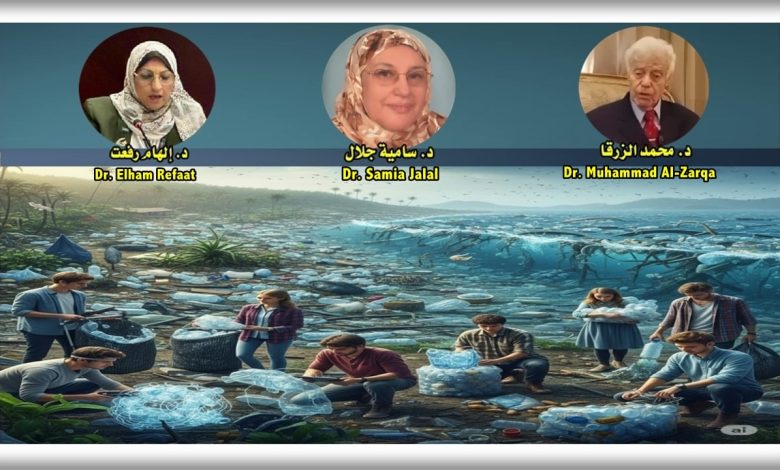
Despite being a tremendous scientific innovation that has changed the face of life as a cheap and lightweight alternative in vital industries, it has become a huge environmental and health challenge. Dr. Mohamed El-Zarqa, a retired Major General, engineer, and international expert in chemicals, hazardous materials, and waste, and the first Egyptian expert to represent us in the Basel Convention on the Control of Transboundary Movements of Hazardous Wastes and Their Disposal, emphasized that plastic is a slow-degrading material and contains toxins that are harmful to health, the environment, and agriculture. The crisis is exacerbated by single-use plastic bags, which threaten living organisms and negatively impact livestock and agriculture. This is causing increased plastic pollution, and global calls are growing to find sustainable alternatives, coinciding with the World Environment Day theme and the “Reduce It” initiative. The need for radical solutions and learning from past experiences is highlighted, such as the use of durable mesh bags and safe alternatives such as paper bags and cloth bags.
The Role of Youth and the Media
Dr. Al-Zarqa emphasizes that biodegradable plastic is not a solution, but may carry long-term environmental and health risks. He emphasizes the importance of the media’s role in raising awareness among all groups about the dangers of plastic and the available alternatives. The role of youth, as “the future of the entire world,” is highlighted in combating plastic pollution. This is achieved by collecting plastic waste and cooperating with relevant authorities to dispose of it safely, avoiding open burning, which generates toxic gases that are harmful to health and the environment. Youth and the media are two driving forces; they must participate in awareness campaigns and encourage scientific research to find environmentally friendly biological alternatives.
Responsibility Belongs to Everyone
Dr. Al-Zarqa also calls for reducing the use of single-use plastics and the need to develop biological alternatives. He emphasizes that the responsibility falls on everyone: youth, media professionals, researchers, specialists, and housewives alike, to reduce consumption and seek innovative scientific solutions. UN expert calls on youth to confront plastic pollution
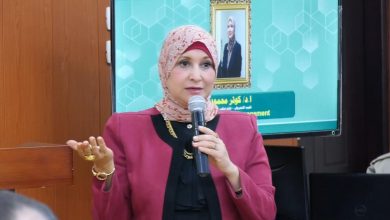
Dr. Samia Galal, a professor at the Higher Institute of Public Health in Alexandria and a consultant expert for the United Nations Environment Programme, called on Egyptian youth to activate their pivotal role in combating plastic pollution. She offered simple and innovative solutions for a sustainable future, emphasizing the importance of adopting daily behaviors such as refusing excess plastic bags and sorting plastic at home for recycling. She warned against using recycled plastic in food and medicine packaging, proposing a new system to provide cosmetic companies with incentives or discounts for consumers when returning empty packaging. This would prevent commercial fraud and support the circular economy.
Dr. Samia Galal also sounded the alarm about the real and long-term dangers of plastic, emphasizing that the issue goes far beyond the mere leakage of chemicals into food. The warning sheds light on two deadly aspects: microplastics and their disastrous health and environmental repercussions, and the hidden dangers of recycled plastic, all the way to the challenges of green energy. The warning explains that the greatest danger from plastic lies in its repeated manufacturing and recycling processes. The more plastic is broken down and reshaped, the greater the concentration of microplastics. These tiny particles not only pollute the environment, but also infiltrate the human body via the bloodstream, reaching the liver, kidneys, placenta, and even the reproductive systems of men and women. It warns that microplastics can alter the genetic makeup of sperm, affecting fertilization and the health of fetuses and future generations, and contributing to the spread of immune diseases of unknown origin. It notes that recycled plastic water bottles represent a dual source of contamination from microplastic particles and leaking chemicals. Dr. Samia pointed out that the common misconception that recycled plastic is an environmentally friendly solution should be corrected, explaining that it loses its quality and poses a major health and environmental threat. Chemicals migrate from the plastic to its contents over time, and recycled plastic significantly increases the likelihood of microplastics being present and their negative impact on the environment.
Immunity and fertility.
The environmental expert pointed to a serious environmental challenge facing green energy projects, especially solar energy, which is how to dispose of the resulting electronic waste, such as the toxic batteries in which it stores energy (such as cadmium and lithium). She called for clear, pre-emptive plans to deal with this electronic waste, emphasizing the importance of the “closed loop” concept for any product or service, from manufacturing to safe disposal, to ensure true sustainable development.
The environmental expert pointed to the transformation of plastic from “disaster to treasure” in Egypt, reviewing the Red Sea beach clean-up campaigns carried out by civil society organizations, where collected plastic is recycled into various products such as furniture and even building bricks. She praised the creativity of Egyptian youth in small industries, noting their success in transforming recycled plastic bags into high-quality textiles, bags, and carpets, providing economic opportunities. However, she warned of the challenge of raising awareness in light of the high illiteracy rate, emphasizing the importance of television and radio programs as an effective means of conveying awareness messages. She warned of the increasing risks of plastic to human health, particularly the leakage of microplastics and toxic substances that threaten the reproductive health of both sexes. She called for a shift toward safer alternatives such as refillable bottles and reducing single-use plastic, emphasizing the importance of community awareness to protect everyone from the accumulation of microplastics and ensure a healthy future.
The Dangers of Plastic Waste
Dr. Elham Refaat Abdel Aziz, an environmental expert and member of the International Pollutant Offloading Network (IPON), former National Liaison Officer for the Stockholm Convention, and former Director General of the Materials and Waste Department at the Ministry of Environment, warned of the grave risks of plastic waste. She emphasized that plastic contains dangerous chemicals such as phthalates and bisphenol A, which disrupt endocrine systems and affect hormones. Unsafe plastic manufacturing or burning also results in emissions of dioxins and furans, which are toxic, mutagenic, and carcinogenic substances that accumulate in the body and are transmitted through the food chain. She emphasized that plastic waste, especially imported or recycled plastics, often contains high concentrations of persistent organic pollutants (POPs), such as flame retardants, UV-238, and BFAs, which are known to cause cancer and genetic mutations. The danger is not limited to manufacturing, but extends to daily use, the leakage of these substances into food and drink, the decomposition of plastic in the environment into fine particles, and the unsafe burning of waste.
Reducing Pollutants and Safe and Fair Recycling
During several seminars and workshops, Dr. Elham Refaat emphasized the urgent need to reduce the concentration of POPs in plastic waste to ensure the safety of recycled products. Warning that the high levels of these pollutants turn recycling processes into a source of harm rather than a sustainable and safe one.
Dr. Elham Refaat, in collaboration with the International Pollutant Elimination Network (IPEN), also called for reducing global reliance on single-use plastics and tightening controls on the import of plastic waste, which often contains high and dangerous concentrations of pollutants. She emphasized her clear position: no plastic waste should enter the recycling stream without prior laboratory analysis by accredited laboratories to ensure its compliance with internationally recognized safe limits. She considered that rigorous testing and the implementation of environmental policies are the only way to ensure the safety of recycled materials and their compliance with environmental justice principles.
Youth Leading Awareness and Demands for Legislation
Youth are at the forefront of environmental efforts, transforming their awareness of environmental issues into an effective movement to raise awareness and demand legislation. From schools to social media and public campaigns, activists are working to change consumption habits and push institutions toward environmentally friendly practices. Their role is not limited to raising awareness; it extends to pressuring companies to adopt sustainable production and demanding that governments enact laws banning harmful plastics and supporting recycling infrastructure, emphasizing their pivotal role in leading the change toward a greener future.
Prominent Youth Efforts in the Fight
Egypt places great importance on the role of youth in addressing the problem of plastic waste. This importance is evident in the field efforts of leading institutions and initiatives. “Youth Who Love Egypt”: Since 2019, the organization has led the “Clean Beaches” campaign in cooperation with the United Nations and the Ministry of Youth. It has organized more than 11 beach and Nile clean-up campaigns with the participation of 2,250 volunteers, removing 22 tons of plastic from the Nile, in addition to awareness-raising events in 12 governorates. Meanwhile, in Cairo, the “Very Nile” initiative not only removes tons of plastic from the Nile through volunteer campaigns, but has also expanded its activities to include awareness programs in schools. “Very Nile” collaborates with fishermen to collect and recycle up to 30 tons of plastic per month and operates a recycling facility on Qursaya Island.
The Hurghada Environmental Protection and Conservation Association (HEPCA) is one of the most prominent coastal environmental organizations, focusing on solid waste management and awareness campaigns in the Red Sea Governorate.
The “Zabbaleen” group also represents a unique model for Cairo’s garbage collector community, which has collected and sorted 80% of the capital’s waste for decades. Their efforts have received international recognition and support from major institutions.
In addition to other community and youth initiatives, “Greenish” (for artistic recycling) and “Up-fuse” (for producing bags from recycled plastic) contribute to street cleanups. The Cairo Sea Scouts also organized “Blue Nile Cleanup” events to collect waste.
Plastic from the Nile.
International Cooperation to Empower Youth
Internationally, the IPEN Youth Network stands out as a pioneering model for youth empowerment in addressing pollution issues. The network works to raise awareness and educate youth about the environment through workshops and seminars, and encourages them to participate in global initiatives to combat pollution. IPEN Youth provides a platform for exchanging experiences and developing leadership skills, enabling youth to become effective change agents who contribute to global efforts to reduce pollution and promote sustainability, with a focus on sustainable plastic management, the circular economy, and international agreements.
Policy Recommendations and Support
Integrated support policies are needed to empower youth to address the challenges of plastic pollution. Environmental education on plastic reduction and sustainability should be integrated into school curricula, while youth green entrepreneurship should be supported by providing funding and incubators for safe recycling and alternative materials projects. Fostering collaboration between youth groups, NGOs, governments, and the private sector is also vital, along with providing technical and logistical support for local initiatives and clean-up efforts. Finally, it is imperative to encourage active youth participation in scientific research related to microscopic particles and environmental health.
The plastic battle is in promising hands
Young people are not only the leaders of the future; they are also leading the present with their awareness, action, and innovation, toward building a world less dependent on single-use plastic and more committed to environmental stewardship. Empowering them with knowledge and resources and involving them in decision-making is not an option, but an absolute necessity. Societies will win the battle against plastic pollution, and youth are at the heart of this pivotal movement.
It is worth noting that the responsibility to combat single-use plastic pollution does not fall solely on young people; it is a collective responsibility that falls on all members of society. It requires concerted efforts through action, active participation in awareness campaigns, and a relentless pursuit of sustainable alternatives. The presence of this pollution has become a catastrophe by all standards. It not only threatens human health and causes numerous diseases, but has also become a pressing existential and national security issue that must be addressed urgently and decisively.