Launch of an awareness workshop on the impact of chemicals in plastic on women’s health

Coverage by Ahmed Abdel Halim
As part of raising awareness of the dangers of plastic, particularly plastic containing high levels of persistent organic pollutants (POPs), such as flame retardants, and their impact on endocrine glands, the Al Rowad Foundation for Projects and Development, in collaboration with the International Pollutants Elimination Network, organized an inaugural and training workshop on Monday, August 10, 2025, under the theme “Toxic-Free Communities – Women and Endocrine-Disrupting Chemicals.”
The workshop aimed to highlight the health and environmental risks of organic pollutants in plastics and their direct impact on women’s health. This workshop is part of civil society efforts to raise awareness of the harms of plastic pollution and how to combat it.
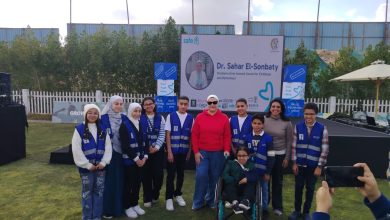
The workshop was attended by representatives from various ministries, civil society organizations, and university students, in addition to the active participation of members of the Egyptian Youth Council and the “Together We Will Make It” initiative, reflecting the growing interest in environmental and public health issues. In the presence of Dr. Elham Refaat Abdel Aziz, environmental expert and member of the International Pollutants Elimination Network (IPEN), former National Focal Point for the Stockholm Convention, and former Director General of the Materials and Waste Management Department at the Ministry of Environment, and Dr. Hala Ahmadin, Chair of the Board of Trustees of Al-Rowwad Foundation for Projects and Development. The workshop was attended by specialists including Dr. Samia Galal Saad, Professor at the Higher Institute of Public Health in Alexandria and a consultant expert for the United Nations Environment Program; Dr. Mahmoud Barai, Chairman of the Board of Directors of Incroservice for Environmental Consulting; Dr. Amal Amin Hussein, Director of Technical Support and Foreign Projects, Occupational Safety and Health Consultant, and Food Safety Consultant. Also attending online were Ms. Sarah El-Gharbi, Director of the International Pollutants Elimination Network (IPEN) in Tunisia; Dr. Abdel Hakim El-Alawi, Founder of the Green Customs Department and its former Director at the Egyptian Customs Authority, and an International Environmental Enforcement Expert with the United Nations Environment Program, the World Customs Organization, and the International Criminal Police Organization; Dr. Manal Ahmed Mohamed Mahdali, Professor in the Department of Environmental Health and former Dean of the Higher Institute of Public Health at Alexandria University; Dr. Shaimaa Mohamed El-Gamal, Assistant Professor at the National Institute of Oceanography and Fisheries in Alexandria; and Dr. Marwa Shafiq, Financial and Administrative Director at Al-Rowwad Foundation. The workshop agenda included several important sessions, the first of which was the opening session, which welcomed the participants and introduced the awareness campaign’s objectives and action plan. This was followed by a presentation titled “Plastic, the Hidden Enemy: Overcoming Plastic Pollution,” which discussed a number of key topics: the plastic manufacturing process and sources of exposure, the effects of plastic on health and the environment, the harm it causes to maternal and child health, and its harmful effects on endocrine and hormonal systems. During the workshop sessions, the necessity of implementing the concept of “Extended Producer Responsibility” was emphasized. This system aims to oblige plastic product manufacturers to assume responsibility for the collection and recycling of their waste. Under this system, companies can add the cost of recycling to the final product price. For example, the cost of recycling would be added to the price of a bottle of water. Although some companies may oppose this proposal for fear of price increases, public health must be a priority. Diseases resulting from exposure to persistent organic pollutants in plastics, such as those that affect the endocrine system, cost individuals and the state many times more than a simple increase in the product price. Recycling plastics is also a more sustainable option, as it is less environmentally and economically costly than producing new plastic, which requires high gas and oil consumption. Successful experiences in cities such as Sheikh Zayed demonstrate that this system is effectively applicable.
The participants then addressed the current challenges and risks of improper plastic management to the national economy in another session titled “Challenges in Plastic Waste Management and the Circular Economy: Solutions and Technologies.” The session focused on the importance of the circular economy in waste management, the challenges facing sustainable plastic management, and a review of relevant local and international legislation.
The workshop also devoted an interactive session to discussing the role of youth in sustainable plastic management, with a presentation on “Empowering Youth in Environmental Leadership.” The presentation highlighted the importance of youth engagement in addressing environmental issues and showcased a number of inspiring youth initiatives that have made a tangible impact in this field. The workshop concluded with an open question-and-answer session, allowing participants to interact directly with the speakers. Closing remarks emphasized the importance of concerted efforts to raise environmental awareness and protect human health, especially women, from the dangers of chemicals.